Atlas Mountains and Sahara Desert : Adventure Tours from Morocco
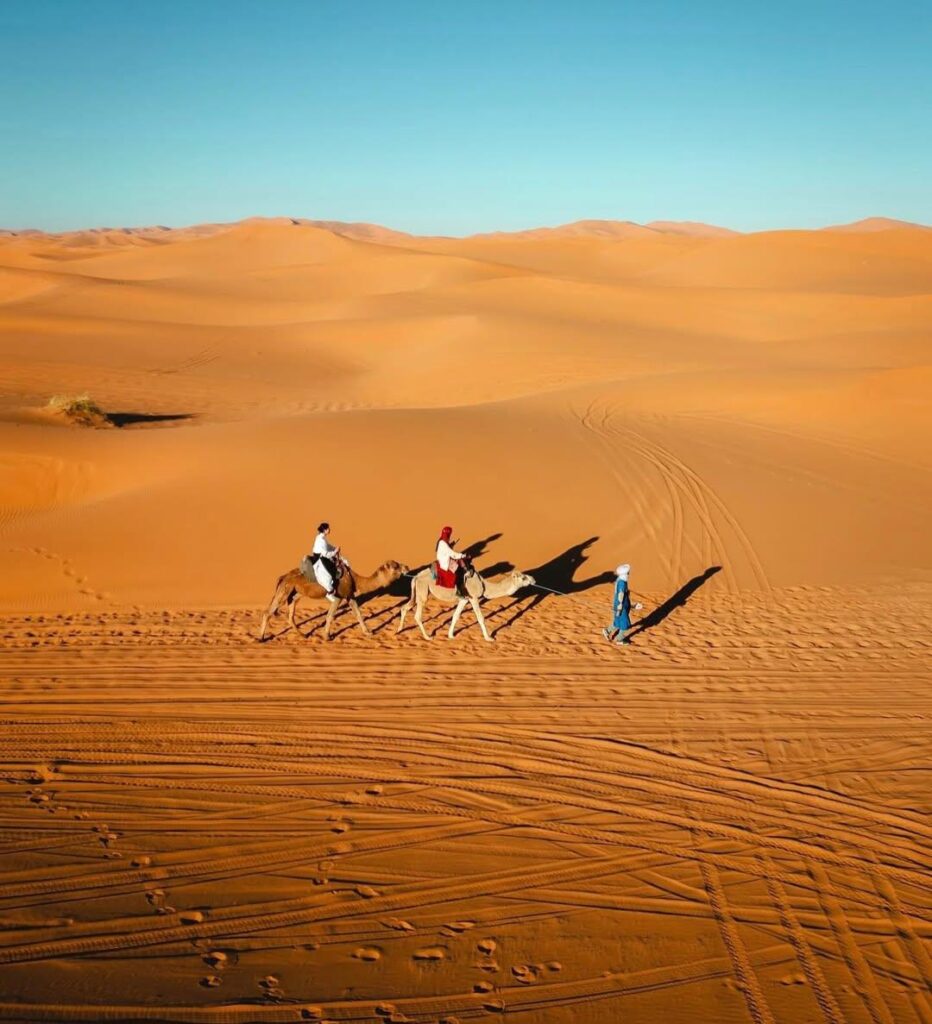
Morocco Mountain Trek generates genuine travel experiences through the mountain and desert areas. Culture, scenery, and outdoor adventure lovers get the most out of routes that blend nature and local life. These days, many tourists book a Atlas Mountain and Sahara Desert combined tour since it allows them to visit two spectacular regions by one trip. You discover the high mountain passes and then continue your journey in the golden desert dunes. It is a perfect Moroccan experience wrapped in a single plan. Discover the Original Berber Culture in the Mountains The Atlas area is covered with peaceful villages, farming terraces and friendly locals. Our Berber village trekking Morocco itineraries provide you the opportunity to hike through the valley, get acquainted with local families and be a part of the rural lifestyle. Short walking make the journey comfortable. Mountain air is fresh and views are wide and open. Every day brings new scenery and cultural moments. Adventurous Active Experiences for Visitors from the UK We organise Atlas Mountain biking tours in Morocco for UK travellers who prefer to book an active holiday and prefer to ride a bike on scenic and downhill single-track, along with quiet country roads through mountain landscapes. To guarantee every rider stays safe and has the most experience possible, the paths include , trained guides, and planned rest stops. Riding a mountain bike offers this kind of travel the chance to explore the region with the help of well informed and experienced local guides. Experience with the Sahara Desert Following Immersion in the Atlas Mountains The Sahara Desert offers a great contrast from the mountain environment following the Atlas Mountains with its sand dune variations, desert sunsets, and peaceful nights spent under the stars. Most schedules feature camel rides and a minimum of of two nights at desert camps. Evenings are spent around campfires savouring the quiet and local cuisine. Why Choose Morocco Mountain Trek? A local guide knows the areas you will be visiting comprehensively and will lead you safely through established routes. Designed itineraries let you visit all locations and avoid feeling pressured. Include the many Berber towns among the people you meet, and experience real Moroccan welcome. You have access to well-organized travel plans with staff located in the UK that will be able to assist before and during your travels. Discover Morocco Mountain Trek: Comfort & Real Discovery Morocco Mountain Trek also know how to pace their trips to allow you to enjoy your experience without extreme difficulty; reasonable distances to walk & bike and adapted routes for varying levels of abilities. Staying in guesthouses, desert camps, and tents in a range of lodgings is what you’ll do. Meals are prepared fresh using regional tastes. By mixing the many terrain of mountains and deserts, tourists may sample a range of various scenery and cultures, and no two days will ever be alike. Morocco Mountain Trek offers organized, escorted excursions centered on your safety, comfort, and significant travel experiences whether you relish the thrill of hiking across a valley or biking over a beautiful mountain view. Faqs Q1. Can we include a trip merging the Atlas Mountains and the Sahara Desert comprises? Usually, the journeys will include mountain trekking, village accommodations, desert camping, transportation and aid with trekking, and Atlas Mountains to Saharan transfer. Q2. Could UK beginners benefit from the Atlas Mountains cycle excursions in Morocco? Naturally. You will have access to a support car should you require it; the paths chosen must be based on your degree of fitness. Q3. In Morocco, what is a Berber Village Walking experience? Meeting with the indigenous people and being absorbed into their culture and everyday life by trekking among the many kinds of conventional villages. Q4. Is trekking the Sahara physically taxing? No; hiking Usually, the Sahara offers a laid-back vibe by means of limited movement such camel trips and quick hikes.
Trekking in Morocco
Trekking in Morocco – Trekking Morocco: From Jebel Toubkal Summits to Sahara Dune Camps – High Atlas & Sahara: A Practical Guide to Trekking in Morocco – Walk the Peaks, Sleep in the Dunes — Trekking Adventures in Morocco Blog post Intro Morocco is a trekker’s dream: dramatic Atlas peaks, remote Berber villages, and the vast silence of the Sahara dunes. Whether you want to summit North Africa’s highest mountain, Jebel Toubkal, wander trails between terraced valleys, or ride camels into orange-hued dunes at sunset, Morocco blends culture and landscape into unforgettable walks. This guide covers the two classic trekking experiences — the High Atlas (Toubkal region) and the Sahara (Merzouga/Chigaga) — with itineraries, gear, safety tips, and photography ideas to help you plan. Why trek in Morocco – Diversity: Alpine ridgelines, volcanic plateaus, river valleys, and endless sand seas within a few-day transfer. – Culture: Traditional Berber villages offer home-cooked meals and insight into mountain life. – Accessibility: Marrakech and Ouarzazate are easy hubs; many treks can be done as 2–4 day trips from Marrakech or combined into longer circuits. Main treks 1) Jebel Toubkal (High Atlas) — classic mountain trek Overview: Toubkal rises to 4,167 m and is usually climbed as a 2–3 day trek from Imlil. Trails wind through terraced fields, small villages, and rocky alpine terrain. In summer it’s a strenuous hike; in winter it can be snowy and technical. Sample 3-day itinerary: – Day 0: Marrakech → Imlil. Overnight in guesthouse. – Day 1: Imlil → Aremd → Toubkal Refuge (≈7–8 km, 900–1,200 m ascent). Overnight. – Day 2: Pre-dawn summit push to 4,167 m; descend to refuge, then back to Imlil → Marrakech. Tips: Start the summit very early (before sunrise). Use a local guide for navigation and safety, especially in winter or if you’re unfamiliar with high-altitude hiking. 2) Sahara dunes — Merzouga (Erg Chebbi) & Chigaga (Erg Chegaga) Overview: Desert treks are less about elevation and more about experience: camel treks into rippling dunes, overnight camps, star-filled skies, and sunrise/sunset photography. Typical 2–3 day itinerary (Merzouga): – Day 1: Marrakech → Rissani/Erfoud → Merzouga (long drive; many tour operators break the journey with stops). – Day 2: Camel trek into Erg Chebbi, sunset on dunes, overnight in a bivouac camp. – Day 3: Sunrise on dunes, return camel, onward travel to Fes or Marrakech. Chigaga is wilder, accessed from M’hamid with longer 4×4 transfers and fewer tourists. When to go – Best: March–May and September–November (mild temps, clear skies). – Winter: Toubkal snowy — great if you have winter mountaineering gear/skills. Desert nights can be very cold. – Summer: Very hot in the desert and lower Atlas valleys; high-altitude summer days are still hikeable but strenuous. Practical info & costs – Guides: Recommended for Toubkal summit and desert treks. Local guides can be booked in Imlil, Marrakech, or via riads/online. Typical guide rates €/day; mule transport for Toubkal baggage €/day. Desert camel & bivouac combos vary widely (€ per person depending on standards). – Transport: Marrakech is the usual gateway (≈1–2 hour drive to Imlil; 8–12 hours to Merzouga by road). Domestic flights exist but land travel is common. – Permits: No central permits for Toubkal; local refuge fees apply. Travel insurance that covers trekking and evacuation is strongly recommended. Packing essentials – Good, broken-in hiking boots and trekking poles. – Warm layers (fleece, down jacket) and a waterproof shell. Nights at altitude and in the desert can be cold. – Hat, gloves, sunglasses, strong sunscreen, lip balm. – 2–3 L water capacity + electrolyte tablets; water becomes precious in desert/remote hikes. – Headlamp, basic first-aid kit, personal meds, lightweight sleeping bag (refuge/camp blankets provided but bring your own for hygiene). – Cash (small bills) — many mountain/remote vendors don’t take cards. Safety & tips – Acclimatize before attempting Toubkal summit; watch for altitude sickness symptoms. – Book reputable operators with clear inclusions and emergency plans. Check recent reviews. – Respect local customs: modest dress in villages and towns; ask permission before photographing people. – Be flexible with timing: road conditions and weather can change plans quickly. Photography prompts – Dawn light on Toubkal from the refuge. – Terrace villages and donkeys in the Azzaden valley. – Sunset silhouette of camel train on Erg Chebbi or Chigaga. – Star trails over desert bivouac (long exposure). – Close-up portraits of Berber hosts and local craftsmen (ask first).